
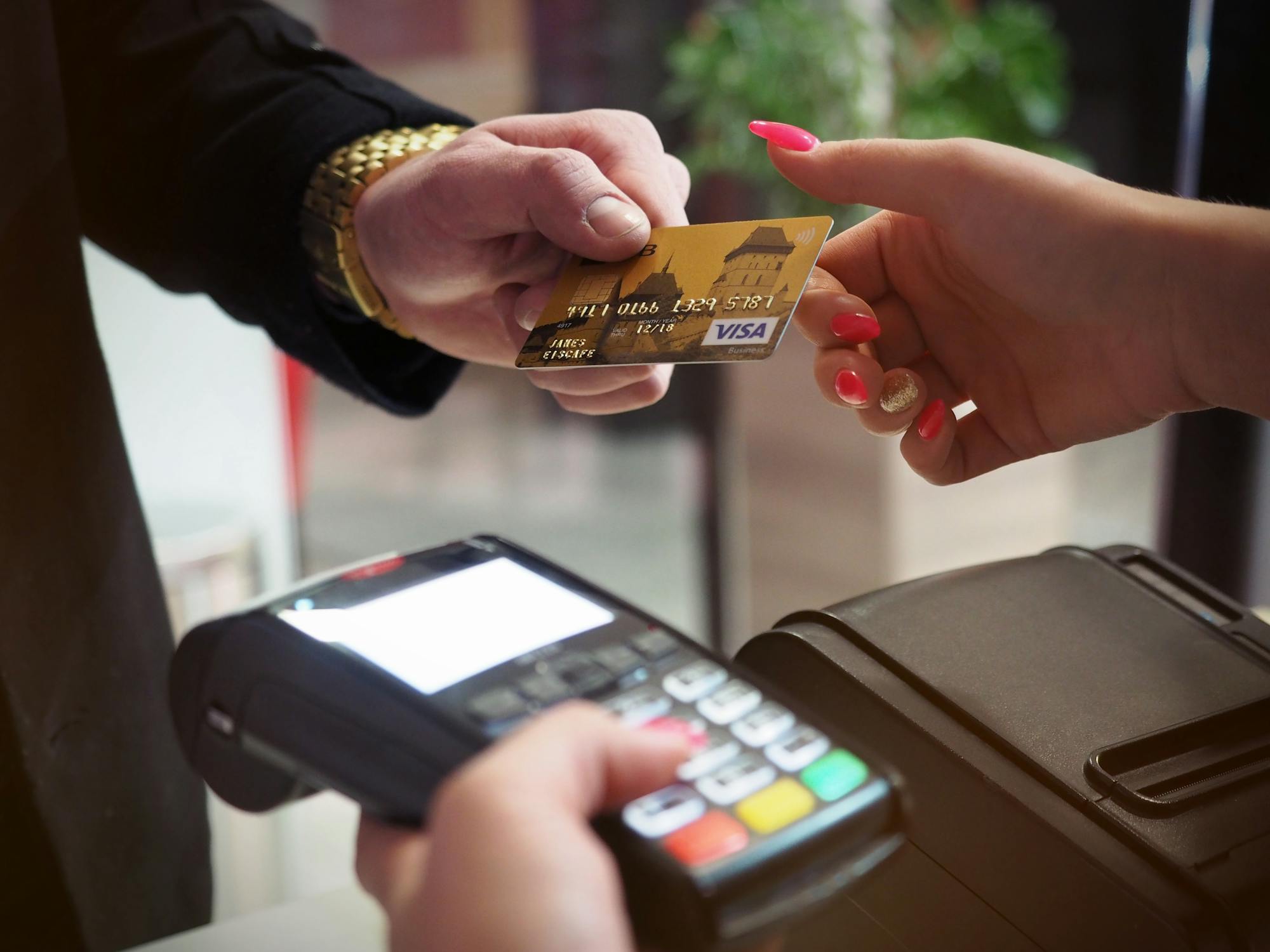
the card issuer in advance. Prepaid cards can be used at stores, restaurants, or ATMs where debit and credit cards are accepted. When the prepaid card is swiped at a merchant, the funds are transferred from the prepaid card account to the merchant’s account. The funds available on the prepaid card vary depending on how much money has been deposited into the account.
Benefits of using a prepaid card
Prepaid cards offer several advantages over traditional checking accounts. For example, there is usually no minimum balance required to keep the account open and no monthly fees charged. In addition, because there is no risk of over drafting with a prepaid card, there are no overdraft fees assessed. Another advantage of prepaid cards is that they can be used as a budgeting tool because spending limits can be set for each month. This can help control spending and prevent overspending.
Different types of prepaid card
There are a variety of prepaid cards available, including general-purpose reloadable (GPR) cards, payroll cards, government benefit cards, student ID cards, and health care cards. GPR cards are the most common type of prepaid card and can be used anywhere debit or credit cards are accepted.
How to use the prepaid card?
Prepaid cards are a great way to manage your money. You can use them to make purchases, withdraw cash, and even pay bills. Here are some tips for using your prepaid card:
- Make sure you have enough money on your card to cover the purchase.
- When making a purchase, enter your PIN or swipe the card in the reader.
- If you’re withdrawing cash, make sure you have the correct amount of money to avoid overdrawing your account.
- Keep track of your spending by reviewing your account activity online or on your monthly statement.
- be sure to keep your prepaid card safe and secure like you would any other credit or debit card.
